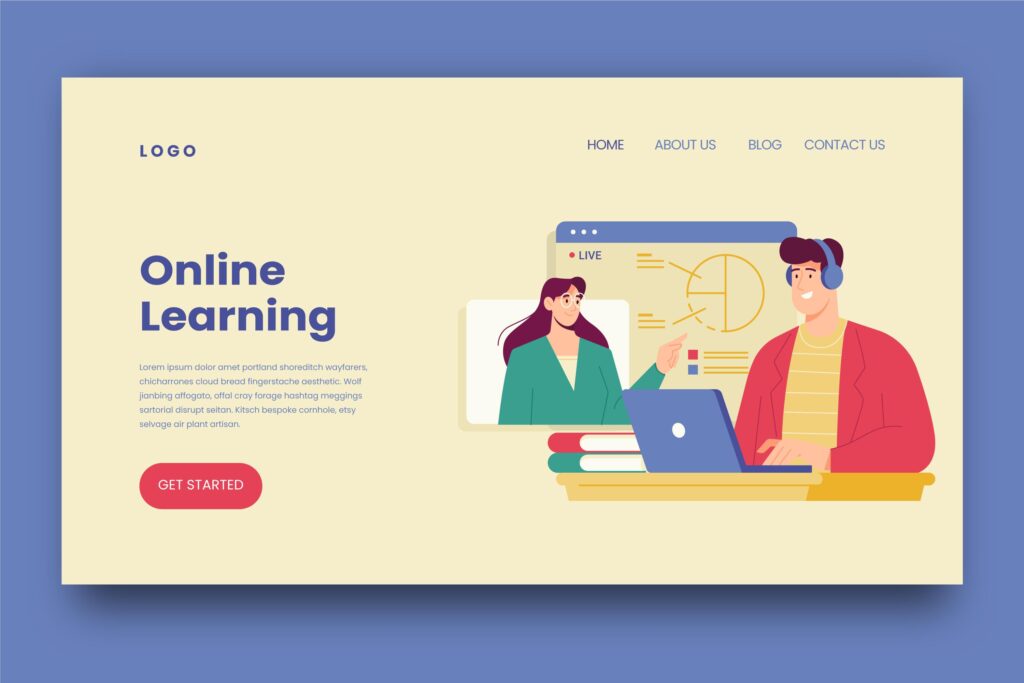
Selling an online course is more than just uploading content and hoping people will buy. It requires a clear strategy, consistent marketing, and value delivery. Below is a structured approach to successfully selling your course:
1. Identify Your Target Audience
- Define who your course is for (students, professionals, entrepreneurs, hobbyists, etc.).
- Understand their needs, problems, and learning goals.
- Create a detailed learner persona to guide your marketing efforts.
2. Validate Your Course Idea
- Conduct surveys or polls to check demand.
- Search forums, social media groups, and Q&A sites for related questions.
- Study competitors’ courses to see what’s working and where gaps exist.
3. Create a Unique Value Proposition (UVP)
- Clearly state how your course is different and better than others.
- Highlight transformation — what will learners achieve by the end.
- Use simple, benefit-driven language.
4. Build a High-Quality Course
- Plan modules and lessons in a logical sequence.
- Use a mix of video, text, and downloadable resources.
- Keep lessons concise but informative.
- Ensure good audio, visuals, and editing quality.
5. Choose the Right Platform
- Options include Teachable, Thinkific, Kajabi, Udemy, or your own website.
- Consider fees, features, ease of use, and marketing tools.
- Make sure it supports secure payments and mobile-friendly learning.
6. Price Strategically
- Research competitor pricing.
- Offer multiple payment options (one-time, installment).
- Consider tiered pricing (basic, premium, VIP).
7. Create a Sales Funnel
- Awareness: Use free content like blogs, YouTube videos, or webinars.
- Interest: Share valuable tips on social media and email.
- Decision: Offer free trials, course previews, or discounts.
- Action: Direct them to your checkout page with a strong call to action.
8. Build a Strong Landing Page
- Include a clear headline stating the benefit.
- Add a short course description and curriculum outline.
- Use testimonials, reviews, or case studies.
- Display a strong CTA button (“Enroll Now,” “Start Learning Today”).
9. Leverage Social Media Marketing
- Share educational snippets, behind-the-scenes videos, and learner success stories.
- Use Instagram Reels, LinkedIn articles, or Facebook groups.
- Run paid ads targeting your audience.
10. Use Email Marketing
- Build an email list with a free resource (ebook, checklist).
- Send regular tips, insights, and course updates.
- Offer special launch discounts for subscribers.
11. Collaborate with Influencers & Affiliates
- Partner with experts in your niche for shout-outs or reviews.
- Offer affiliate commissions to those who promote your course.
12. Offer Bonuses & Guarantees
- Add downloadable templates, extra Q&A sessions, or certificates.
- Provide a money-back guarantee to reduce buyer hesitation.
13. Monitor & Improve
- Track sales, feedback, and completion rates.
- Update content regularly to keep it relevant.
- Experiment with new marketing strategies for growth.
Final Tip:
Selling an online course is an ongoing process. Focus on delivering value, building trust, and consistently engaging with your audience. Over time, your reputation will become your strongest sales tool.